
Tick-Borne Encephalitis

Climate change has led to an increase in the tick population, thereby raising the risk of diseases they can transmit. The European Vaccination Information Portal warns of the dangers of Tick-Borne Encephalitis (TBE). This viral infectious disease affects the human central nervous system and is prevalent in many parts of Europe and Asia. The virus […]
Interview with Glycoscience President, Celso Clariana, in EL DEBATE

The president of mosquito repellent company Glycoscience warns to be cautious with young children and the appearance of fever or other symptoms As the heat arrives, so do the mosquitoes: Which ones should we be wary of? Will there be endemic diseases? Celso Clariana, President of Glycoscience, was interviewed on 24/04/2024 by the newspaper EL […]
Mosquito-borne diseases are spreading in Europe due to the climate crisis, according to an expert

THE GUARDIAN Article Diseases such as dengue and malaria are expected to reach unaffected parts of northern Europe, America, Asia, and Australia, according to a conference report. Mosquito-borne diseases are spreading worldwide, particularly in Europe, due to the climate crisis, said an expert. Mosquitoes transmit diseases like malaria and dengue, which have seen a massive […]
An independent study, certifies the maximum protection of Glycoscience’s naturally derived insect repellent
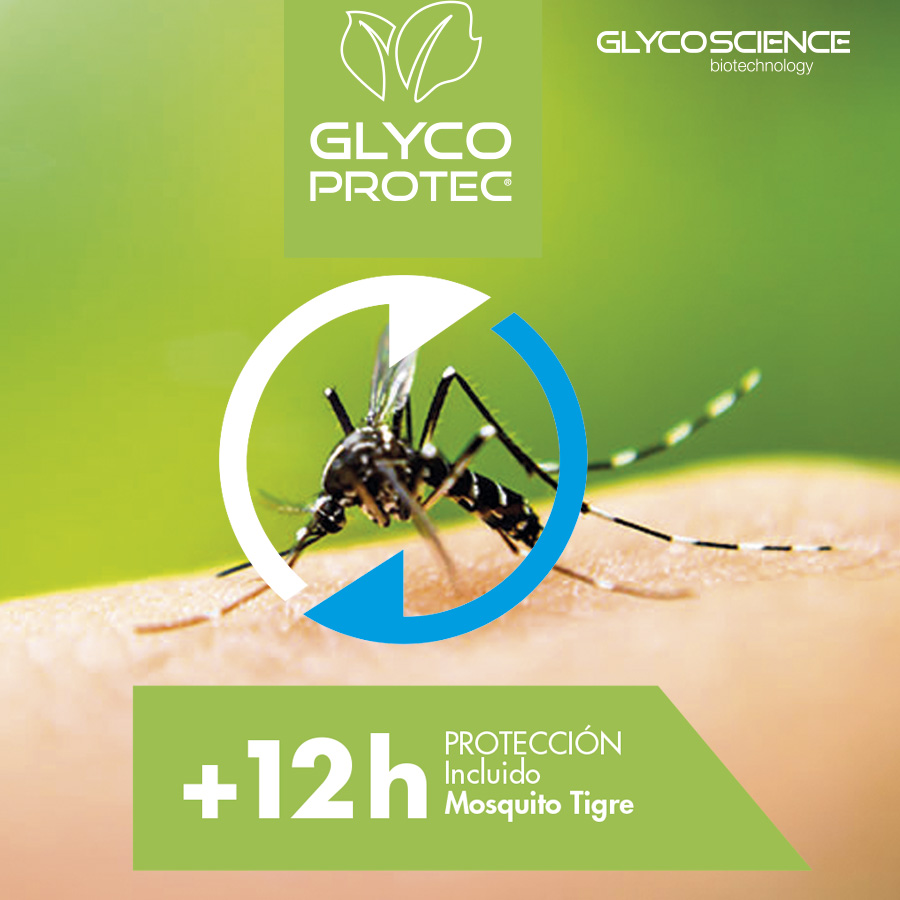
The study, « Biological Test Report Repellent efficacy of a skin repellent product on human arms against mosquitoes », conducted by Biogenius (Germany) and which has regulatory value, has proven the efficacy of our product for more than 12 hours against three common mosquito species, including the aggressive Asian Tiger Mosquito. This makes it the most effective […]
Mosquitoes have an infallible sense of smell for finding their target

Researchers in the U.S. have discovered that female Aedes aegypti mosquitoes have multiple receptors in their olfactory neurons, while most other animals only have one, giving them an « unshakable attraction » to humans. With Glycoscience technology, mosquitoes lose their « infallibility » in finding their target. Glycoscience technology works on the olfactory neurons of mosquitoes, preventing them from […]
The Usutu virus, an emerging disease related to the West Nile virus and spread by mosquitoes
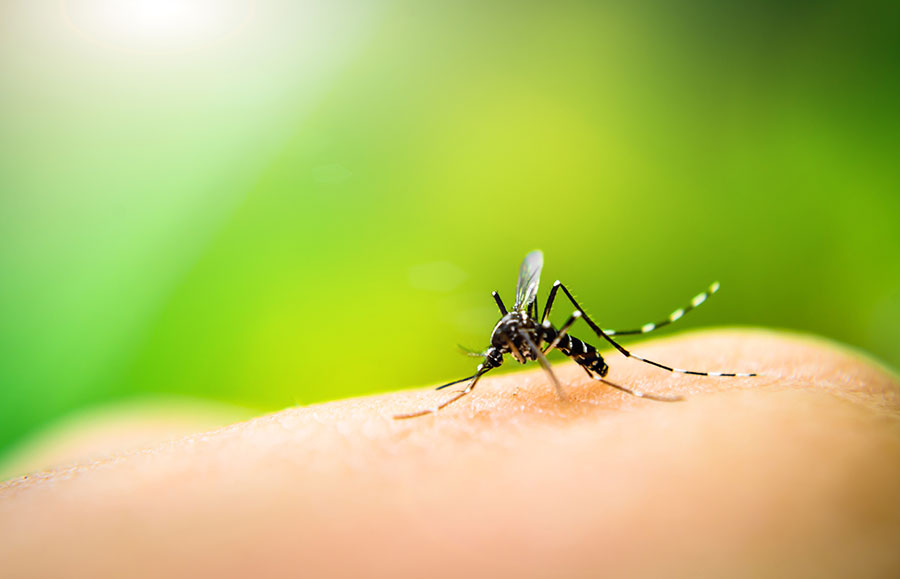
The Usutu virus (USUV) is a virus of the Flavivirus genus and is also considered an Arbovirus, which means it is transmitted by arthropods. Usutu virus infection is contracted through the bite of several mosquito species, including various species of the Culex genus (to which the common mosquito belongs). It belongs to the same group […]
Glycoscience will be present at the SANT DIEGO BIOTECHNOLOGY FAIR

We remind you that this week (13-16 June), Glycoscience will be present at the SANT DIEGO BIOTECHNOLOGY FAIR to present our new biomimetic technology platform, which will revolutionise the performance of topical products with multiple applications.We look forward to seeing you in San Diego. Biotechnology Innovation Organization
The importance of the technology developed by Glycoscience

Here’s the translation: Insect-borne diseases like the Crimean-Congo virus, transmitted by ticks and already present in some areas of southern Spain, are steadily moving northwards into Spain and Europe.This highlights the importance of the technology developed by Glycoscience to improve the efficacy and longevity of insect repellents. You can read more information at: https://elpais.com/clima-y-medio-ambiente/2021-10-23/la-garrapata-del-virus-crimea-congo-se-desplaza-hacia-el-norte-de-espana-y-europa-por-el-cambio-climatico.html?rel=buscador_noticias “
Climate change threatens efforts to eradicate tropical diseases
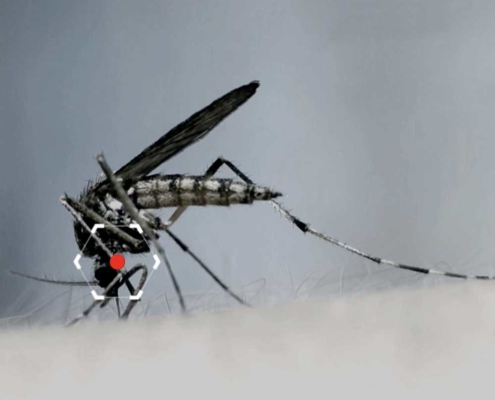
A large-scale study on the health effects of global warming warns of the risk of dengue, chikungunya, and Zika outbreaks even in developed countries. Since 2016, a group of international institutions and researchers have annually analyzed the impact of climate change on global health, measuring it through 44 indicators. All are worsening, according to the […]
Mosquitoes are becoming the primary vectors for disease transmission

Waste generation, the accumulation of sewage or stagnant water, and food storage all contribute to the proliferation of various species, including mosquitoes. These insects are becoming the main transmission routes for diseases such as the West Nile virus, as they serve as vectors—living organisms that transmit an infectious agent from one infected being to another. […]